
Venue
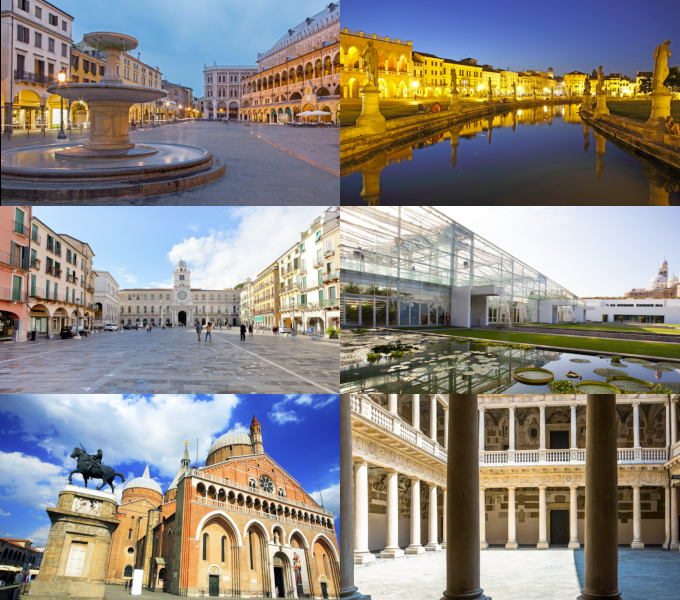
The University of Padova
The University of Padova, with its centuries-old academic tradition dating back to 1222, provides an inspiring backdrop for this prestigious gathering. The University of Padova's blend of historical significance and cutting-edge research in engineering creates an ideal environment for stimulating discussions and knowledge exchange. The University of Padua is one of Europe’s oldest and most prestigious seats of learning. As a multi-disciplinary institute of higher education, the University aims to provide its students with professional training and a solid cultural background. The qualification received from the University of Padua act as a symbol of the ambitious objectives respected and coveted by both students and employers alike.
Founded in 1222, Padua’s Studium Patavinum was a place of study that readily welcomed Italian students and scholars, as well as those from various European countries searching for cultural freedom and expression. This freedom continues to define and express the essence of the University through its motto as Universa universis patavina libertas.
Intertwined within the story of the University of Padua are the many illustrious figures who lived, studied and taught in this city. Such famous names included those who have changed the cultural and scientific history of humanity, from Copernicus to Vesalius, Galileo, to William Harvey, to the more modern Tullio Levi-Civita, Concetto Marchesi, Giuseppe ‘Bepi’ Colombo and many others.
A unique setting: the Euganean Hills
The workshop's location offers participants the opportunity to explore the nearby Euganean Hills, a geological wonder that provides an intriguing parallel to probabilistic engineering concepts.
Rising abruptly from the southwestern plains of Padua, these hills cover approximately 22,000 hectares with an elliptical perimeter of about 65 kilometers. The landscape is characterized by a succession of conical profiles, reminiscent of probability density function curves commonly used in reliability analysis.
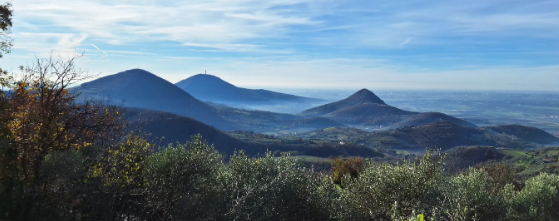
Formed through volcanic activity spanning from the upper Eocene to the Oligocene epoch (approximately 43 to 35 million years ago), the Euganean Hills showcase a variety of rock formations including basalt, rhyolite, trachyte, and latite. This geological diversity mirrors the complex, multi-layered approach often required in risk assessment and reliability analysis.
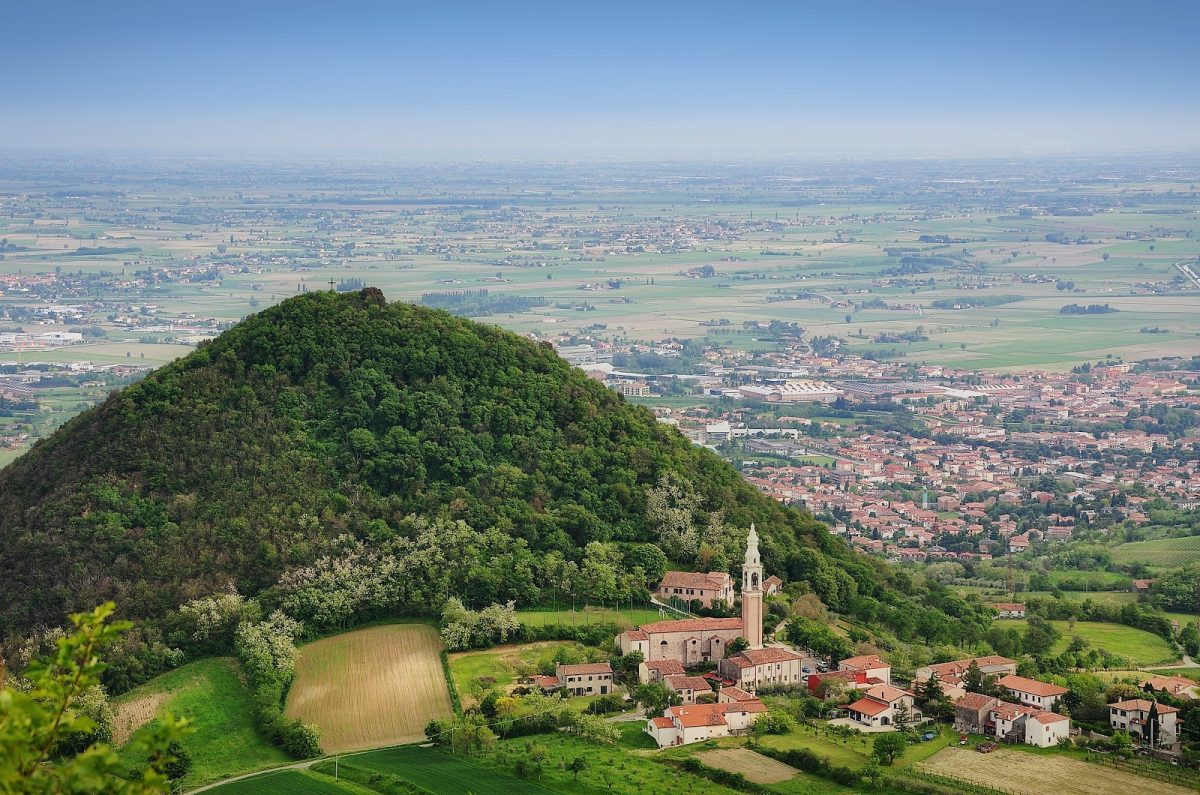
At the center stands Mount Venda, the highest peak at 601 meters, symbolizing the apex of a probability distribution surrounded by varying elevations representing the spread of possible outcomes in probabilistic models.
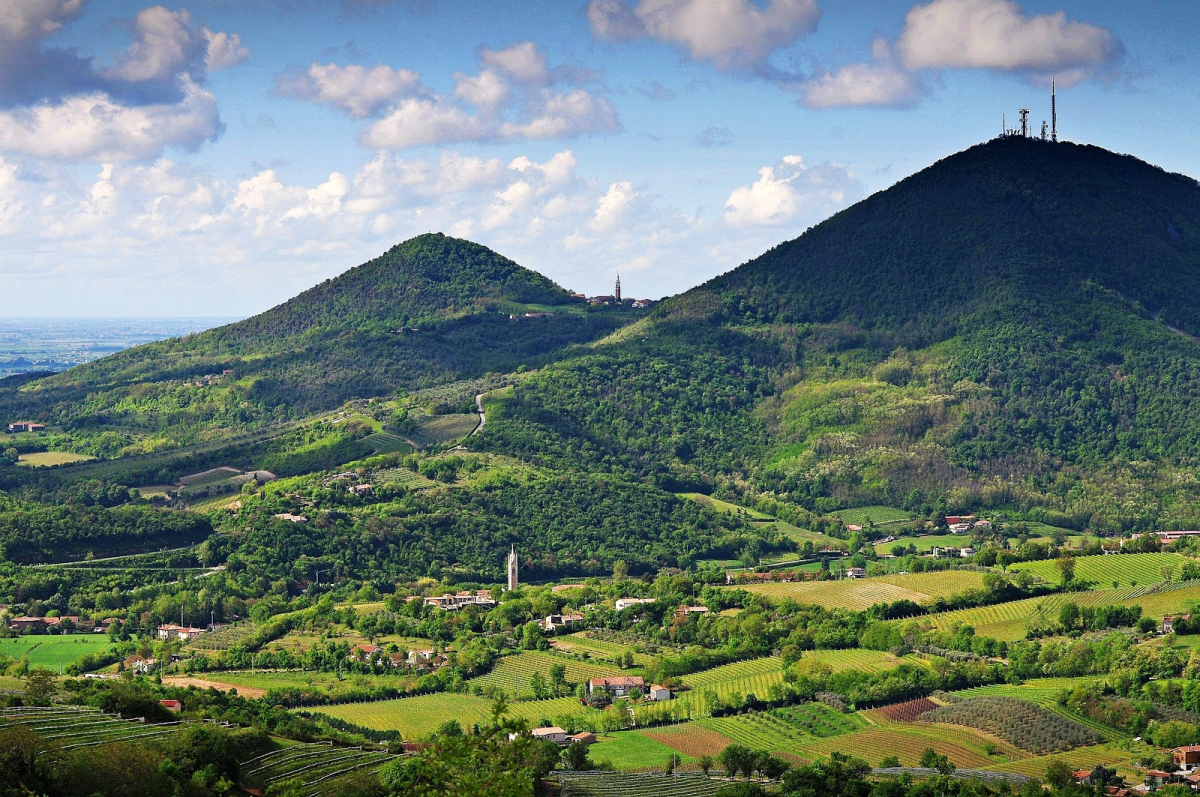
The Euganean Hills not only provide a picturesque backdrop to the academic discussions but also serve as a tangible reminder of the natural processes that shape the world - processes that engineers and researchers strive to understand and model through probabilistic methods.
The Conference center
The IPW2026 conference will be held at the Hotel Best Western Galileo in Padova, an elegant 4 stars hotel located near the center of Padova. All the most interesting and evocative city sites are within a short walking distance. Starting from the Hotel you can visit the city center, the Scrovegni Chapel painted by Giotto, the Astronomical observatory of Galileo and much more.
Services provided:
- FREE GARAGE: large free garage at your disposal;
- CONGRESS CENTER: rooms equipped for meetings up to 200 people;
- WELLNESS CENTER: wellness center with dynamic Jacuzzi, Sauna and much more;
- SPECIAL PROTECTION PROGRAMME: A prevention programme to prevent the spread of the corona virus.
A relaxing and pleasant stay at the Best Western Premier Hotel Galileo Padova will be guaranteed by the comfortable 113 double / double single rooms.
 |  |
 |  |
The Congress Centre “Giove” is equipped with meeting rooms with modular development to fulfill any request for meetings or business meetings. On the hotel website, https://www.hotelgalileopadova.it, in the section “Meeting Center “, you can see in detail the conference offer.
 |  |
 |  |
The Restaurant Department has been entrusted to a young, innovative and creative Group that is capable to ensure the best quality and the best service. Inside the hotel there is a fined bar, suitable for coffee breaks and aperitifs.
 |  |
 |  |
The Wellness Center proposes: a relaxing sauna, a Mediterranean bath with the fragrance of the essential oils, a steam bath with multi-benefits effects, multi-sensory showers and Kneipp therapy for your wellness and much more. Comfortable relaxing rooms with teas and infusions spot will allow you to enjoy a moment for yourself. During the summer season, the Solarium Garden is available for those who want to enjoy the sun in a green oasis in Padua town. All services are available with daily entrance.
 |  |
 |  |
 |  |
For further details please see the hotel website: https://www.hotelgalileopadova.it.
How to reach the venue:
- By train
From the station you can walk to the hotel (it is about 900 meters) or take a taxi. Alternatively, you can take bus 10 or 7 and stop at “PADOVA FIAT”. - By car
Drive to viale Venezia 30, Padua. Hotel Galileo is located outside the restricted traffic zone and parking is free. - By Plane
If you land at Marco Polo International Airport in Venice, then you can take a taxi to Padua or take a bus. You can check the site https://www.veneziaairport.it/trasporti/padova.html.
If you land at Antonio Canova International Airport in Treviso, then you can take a taxi to Padua or take a bus.
You can check the site https://www.trevisoairport.it/en/transport/bus.html.